The liver’s unique characteristic is its larger size than any other internal organ. It is located on right side of upper abdomen, and it is the largest organ in the human body. The liver’s main purpose is to remove toxic substances and transform food nutrients into usable form. The liver is responsible for digestion too. It filters blood before it can be recirculated throughout our bodies. Other vital functions of the liver include storing iron, making proteins and fighting infections.
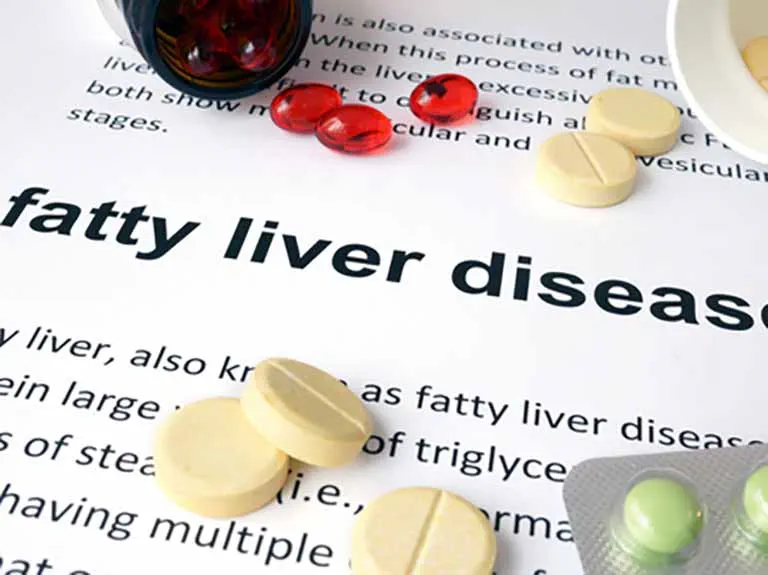
Although the fatty liver management is responsible to your immune system, it is also susceptible for various diseases. The most common liver disease is fatty liver. Fatty liver is a medical condition that results in the liver accumulating large amounts of fat. The liver has a relatively small amount of fat. But, if it exceeds that limit, it can become an issue. This gravely dangerous problem is not to be ignored.
You can categorize fatty liver diseases into two groups: Alcoholic Fatty Liver Diseases (AFLD) or Non-Alcoholic Fatty Liver Diseases (NAFLD). You are more likely to develop alcoholic fatty liver if you consume alcohol regularly. But this isn’t always true. People can have fatty livers for many reasons. The condition of fatty liver can occur in people who do not drink alcohol. This is also known as non alcoholic fatty liver disease. The good news is that both of these conditions can easily be treated and that the individual suffering from them can fully recover.
To reverse the effects of excess alcohol consumption on the liver, it is important to reduce alcohol intake. This will alleviate some symptoms of fatty liver but it cannot be considered a full-fledged treatment. To reverse the effects caused by fatty liver, it is possible to eat foods that protect your cells, improve insulin sensitivity, and minimize inflammation. Unfortunately, it won’t work for everyone. Every problem is different. It’s important to seek out medical professionals to discuss your concerns and determine the best course of action.
You can keep your liver healthy by eating right, exercising, staying within the recommended weight range, not drinking alcohol, and carefully reading any instructions before taking any medication. There are some foods you can eat to maintain a healthy lifestyle. These include coffee, milk green tea, sunflower seeds, and walnuts. Even small changes in lifestyle can make a huge difference to a fatty liver. However, this is not something to take lightly. Consult a doctor immediately if you have any of the symptoms listed above.