
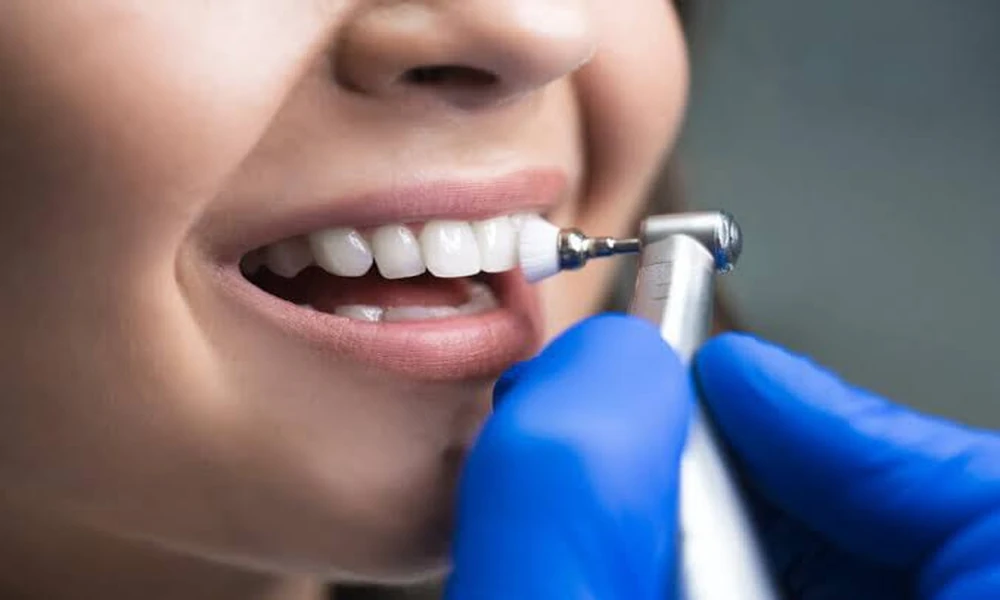
You brush when you can, floss when you remember, and promise yourself you will book that cleaning soon with a dentist in Sunnyvale, CA. Then life gets crowded. Work runs late, kids need something, money feels tight, and a small bit of sensitivity turns into one more thing you push down the list. That is how dental problems usually start, not with neglect, but with normal life getting in the way.
The role of preventive dentistry in strengthening daily habits is simple. It helps you catch small issues early, gives structure to routines that are easy to skip, and lowers the chance that you end up dealing with pain, cost, or treatment that could have been avoided. Good habits at home matter, but they work better when a general dentist checks what you cannot see and helps you adjust before a minor problem grows.
Preventive dental care turns good intentions into routines that stick
Most people do not struggle because they have never heard to brush twice a day. They struggle because habits break under stress. When mornings are rushed, brushing gets shorter. When you are tired at night, flossing feels optional. If your mouth does not hurt, it is easy to assume everything is fine.
That is where preventive dental care changes the pattern. Regular exams and cleanings create a rhythm. You are not just reacting to pain. You are checking in before there is pain. That shift matters because tooth decay and gum disease often build quietly. The National Institutes of Health explains that tooth decay can begin long before you notice a cavity, especially when plaque, sugar, and dry mouth keep working in the background.
Daily habits also improve when they become specific. A dentist may point out that you are brushing too hard, missing the gumline, or using a toothpaste that does not fit your needs. That kind of feedback turns vague effort into action you can repeat at home. It is easier to stay consistent when you know exactly what to do.
Small oral health problems often become expensive daily disruptions
A little bleeding when you floss can seem harmless. Bad breath gets blamed on coffee. Sensitivity becomes something you work around by chewing on one side. These are the kinds of signs people live with for months because they do not feel urgent. Then one morning the tooth cracks, the gums are swollen, or the cold sensitivity becomes sharp pain.
The cost is not only financial. Dental problems interrupt meals, sleep, work, and confidence. You may avoid smiling in photos. You may stop eating foods you enjoy. You may put off care because you are worried about what the dentist will find, which usually makes the next visit more stressful and more expensive.
Research from the National Institute of Dental and Craniofacial Research shows in its Oral Health in America report that oral health is closely tied to quality of life, overall health, and access to care. That lines up with what many people already feel in daily life. When your mouth is not healthy, everything else gets harder.
Daily oral hygiene works better when a general dentist supports it
Home care is the base. Professional care strengthens it. You need both. Brushing and flossing remove a lot of plaque, but not all of it, and they cannot diagnose early decay, gum recession, bite issues, or changes in the soft tissues of your mouth. A general dentist can spot patterns you may miss and help you correct them before they turn into treatment needs.
The National Institute of Dental and Craniofacial Research offers clear oral hygiene guidance that supports the basics many people know but do not always follow consistently. Brush twice a day with fluoride toothpaste. Clean between teeth daily. Limit sugary snacks and drinks. Replace your toothbrush regularly. These habits sound simple because they are simple. The hard part is keeping them steady, especially when nothing feels wrong yet.
| Approach | What It Looks Like | Likely Outcome |
|---|---|---|
| Home care only, no regular visits | Brushing most days, occasional flossing, waiting for symptoms | Higher risk of missed cavities, tartar buildup, gum inflammation, surprise treatment |
| Preventive care plus home habits | Regular cleanings, exams, fluoride as needed, daily brushing and flossing | Earlier detection, fewer disruptions, clearer routine, lower chance of severe problems |
| Reactive care only | Scheduling visits mainly for pain, chips, swelling, or broken fillings | More stress, more urgent treatment, higher cost over time, longer recovery |
Preventive dentistry supports stronger habits without adding more pressure
People often hear prevention as one more task on an already full list. It works better when you see it as a way to reduce future problems. A cleaning every so often is easier than losing hours to an emergency visit. A quick exam is easier than needing a crown because a cavity sat too long. oral health prevention is not about being perfect. It is about making your routine sturdy enough to hold up when life gets messy.
That is also why children and adults benefit from the same basic principle. Repetition builds habits. Professional support keeps those habits effective. If you have ever thought, “I do the basics, so why am I still having issues,” the answer is often technique, timing, diet, dry mouth, grinding, or missed buildup in places a toothbrush does not reach well.
Practical steps that make preventive dentistry part of daily life
Set a fixed oral care routine. Attach brushing and flossing to things you already do without fail, such as your first bathroom trip in the morning and washing your face at night. Keep floss where you can see it. Friction is the enemy of habits.
Book preventive visits before something hurts. Do not wait for pain to justify care. Preventive appointments give you information early, when choices are easier and treatment is usually smaller. If cost worries you, ask about spacing out treatment plans or prioritizing the most urgent needs first.
Notice the small signs and act on them. Bleeding gums, bad breath that does not improve, new sensitivity, food getting stuck in one spot, or a rough edge on a tooth all deserve attention. These are often early warnings, not random annoyances.
Your routine does not need to be perfect to protect your health. It needs to be consistent, supported, and adjusted when something is off. That is the real value of preventive dentistry. It strengthens the habits you already want to keep and helps you avoid the cycle of delay, discomfort, and bigger treatment later. If it has been a while since your last visit, schedule a preventive appointment with a general dentist and give yourself a simpler path forward.