
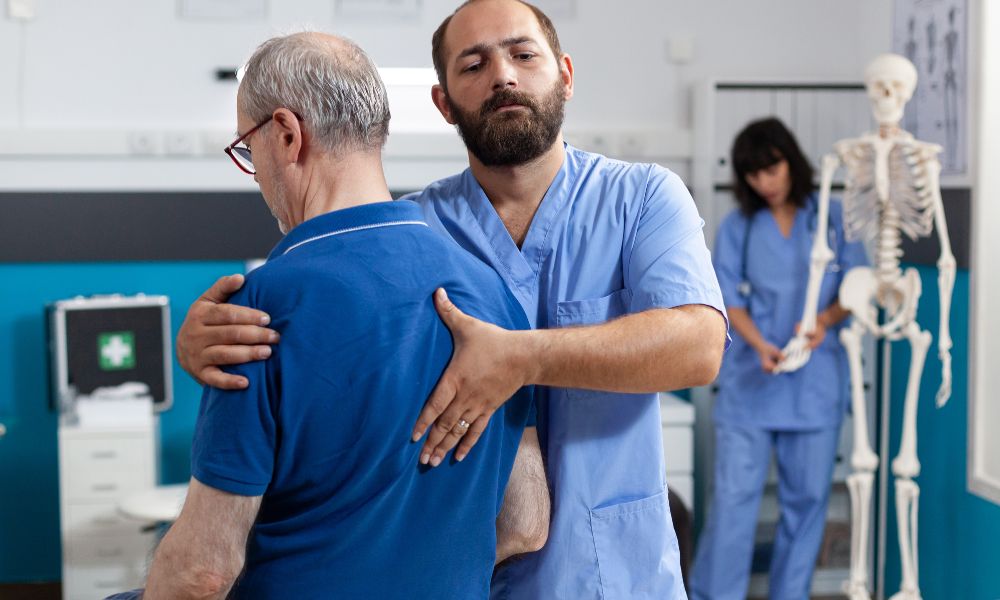
Going to an orthopedic expert for the first time can be scary, especially if you are hurt, in pain, or can’t move around much. Knowing how to prepare for your first orthopedic appointment can help you feel more confident, make the visit more productive, and ensure you receive the best possible care. Proper preparation allows orthopedic doctors to understand your condition clearly and recommend the right treatment plan.
The Reason For Your Visit
Before your appointment, take time to understand why you are seeing an orthopedic specialist. Orthopedic care focuses on conditions related to bones, joints, muscles, ligaments, and tendons. Common reasons include joint pain, sports injuries, fractures, arthritis, back pain, or mobility issues. Being clear about your main concern helps you explain symptoms accurately and ensures the doctor addresses the most important issues during your visit.
Gather Medical Records and Imaging Reports
If you have previous medical records related to your condition, bring them with you. These may include X-rays, MRIs, CT scans, blood test results, or reports from other doctors. Having this information available gives orthopedic doctors a complete picture of your medical history and prevents unnecessary repeat tests. If imaging was done recently, ask for both the written report and the image files if possible.
Make a List of Symptoms
It can be very helpful to write down your symptoms before the meeting. Describe the pain’s start date, how often it happens, what makes it better or worse, and how it affects your daily life. Tell them exactly where the pain is, if there is stiffness, swelling, weakness, or a limited range of motion. This knowledge helps the specialist figure out what’s wrong and what treatment to do next.
Prepare a Medication and Health History List
Bring a list of all medications you are currently taking, including prescriptions, over-the-counter drugs, vitamins, and supplements. Also note any allergies, chronic health conditions, or previous surgeries. This information is essential for safe treatment planning, especially if procedures, injections, or medications are being considered.
Wear Comfortable and Appropriate Clothing
Comfortable clothing can make the physical examination easier. Choose loose-fitting clothes that allow easy access to the area being examined, such as shorts for knee or hip issues or a sleeveless top for shoulder pain. You may be asked to move, bend, or walk during the evaluation, so comfort is important.
Prepare Questions in Advance
It is easy to forget questions once the appointment begins. Writing them down ahead of time ensures you get the information you need. Common questions include what is causing the problem, what treatment options are available, whether surgery is necessary, recovery timelines, and steps you can take to prevent future issues. Open communication helps build trust and understanding.
Know What to Expect During the Visit
During your first visit, orthopedic doctors will review your medical history, discuss your symptoms, perform a physical exam, and possibly order additional tests. They may explain your diagnosis in simple terms and discuss treatment options such as physical therapy, lifestyle changes, medications, injections, or surgery. Understanding this process can reduce anxiety and help you feel more prepared.
Bring a Support Person if Needed
If you feel nervous or expect to receive a lot of information, bringing a family member or friend can be helpful. They can take notes, ask questions, and provide emotional support. This is especially useful if treatment decisions need to be made.
Final Thoughts
Preparing for your first orthopedic appointment does not require complicated steps, but it does require thoughtful planning. By organizing your information, understanding your symptoms, and being ready to communicate openly, you can make the most of your visit. Proper preparation allows orthopedic doctors to deliver personalized care and helps you move toward relief, recovery, and improved mobility with confidence.