
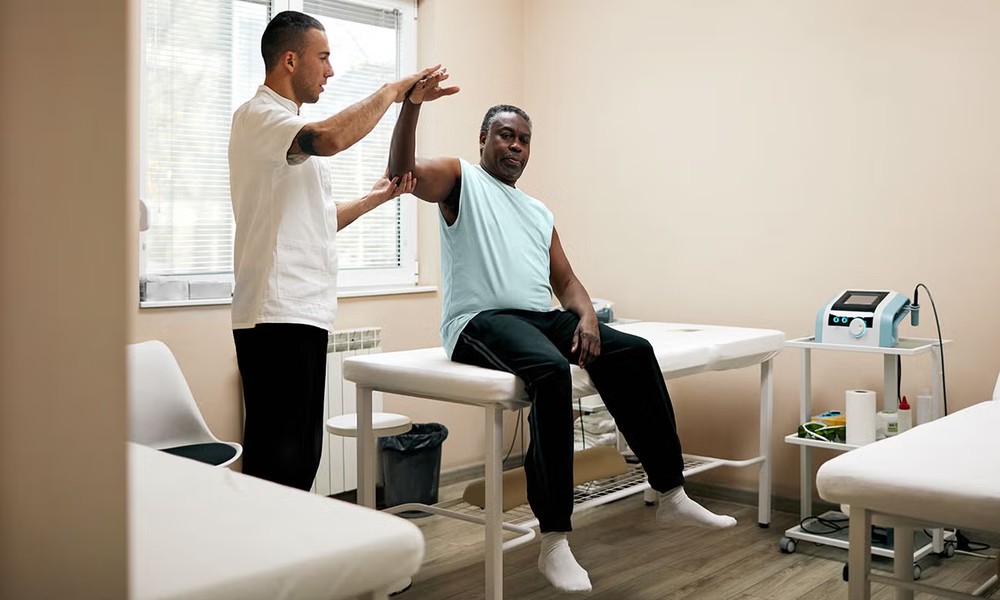
A lot of people assume physiotherapy starts after a serious injury. Sometimes it does. Other times someone just gets tired of feeling tight all the time. Their neck keeps locking up after work. Running feels uneven lately. One shoulder moves differently in the gym but not badly enough to completely stop training.
So they keep going for a while hoping it settles on its own. Usually, the body adapts first before it complains properly.
For many people visiting a physiotherapy clinic st kilda, recovery begins with understanding those smaller movement changes before they turn into longer lasting physical problems later. And the strange part is that discomfort often builds gradually enough that people stop noticing how much they have adjusted around it day to day.
Some appointments feel more active than others
People sometimes expect the same type of session every visit. That almost never happens.
One week may focus heavily on:
- Mobility work
- Strength progression
- Balance control
- Movement retraining
Then the following session changes completely because the body reacted differently during the week afterward.
Maybe work stress increased. Maybe training volume jumped too quickly. Maybe recovery sleep was terrible for several nights in a row.
All of those things affect rehabilitation more than people think. And honestly, the body can feel surprisingly inconsistent sometimes even when recovery is technically improving underneath.
Small movement habits usually build bigger problems slowly
This is where physiotherapy gets interesting. A person may not remember one dramatic moment where something went wrong. Instead the body slowly accumulates stress through repetition.
Things like:
- Sitting unevenly for years
- Training through fatigue
- Poor recovery between sessions
- Repetitive lifting
- Reduced mobility on one side
Eventually the body starts compensating automatically. A tighter hip changes walking mechanics slightly. Limited ankle movement shifts pressure toward the knee. One shoulder starts carrying more load during pressing exercises without the person fully realizing it. Then months later something finally becomes painful enough to interrupt normal activity.
Rehabilitation often feels slower than active people want
Especially early on. Someone feels mentally ready to return fully to training while the body still struggles with:
- Balance control
- Stability
- Endurance
- Movement confidence
So physios usually build progression gradually instead of jumping straight back into heavier loading immediately. And sometimes the exercises feel almost too simple at first. Single leg balance drills. Controlled movement patterns. Slow strength work. Until the body starts shaking halfway through something that looked easy two minutes earlier. That happens more than people expect.
Recovery timelines vary constantly between people
Two people can walk into the clinic with almost identical symptoms and recover completely differently.
Because recovery depends on more than the painful area itself.
Sleep quality matters. Workload matters. Stress matters. Daily movement matters. Previous injuries matter too.
Some people improve steadily every week. Some days the body feels loose and manageable again. Then after one long shift or a packed weekend, the tightness suddenly returns like nothing changed. It throws people off a bit. But recovery does not always move in a straight line anyway.
Confidence disappears quietly after pain hangs around long enough
People stop trusting certain movements without fully noticing it. They hesitate before sprinting properly again. Avoid twisting quickly. Lift more cautiously during workouts. Change posture constantly expecting discomfort to appear.
Part of rehabilitation involves rebuilding confidence around movement gradually through repetition and controlled loading. Not forcing the body aggressively. Just showing it repeatedly that movement feels safe again. That process takes longer mentally for some people than physically.
For many people, attending aphysiotherapy clinic st kildabecomes less about temporary relief and more about understanding why movement changed so the same discomfort stops creeping back again every few months.