
You just had a baby. Everything is new. And you are tired. That is normal.
But you also have to think about checkups, vaccines, and growth charts. It sounds like a lot. But a klinik kesihatan ibu dan anak makes it simple for you.
These clinics are made for mothers and young children. The nurses and doctors do this every day. They know what to look for. And they will guide you.
Still, it helps to know what happens during that first year. Here is a plain checklist. No fluff. Just what you need to know.
The first visit (within one week of birth)
Do not wait too long. Your baby needs to be seen early.
At the klinik kesihatan ibu dan anak, they will check your baby’s weight. This is important. They want to see if your baby is feeding well and gaining weight properly. They will also check the umbilical cord and ask how many wet diapers your baby has each day. That tells them if your baby is drinking enough milk.
Another thing they look for is jaundice. Many newborns have a little yellowing of the skin. Most times it goes away on its own. But the clinic will make sure it is not serious.
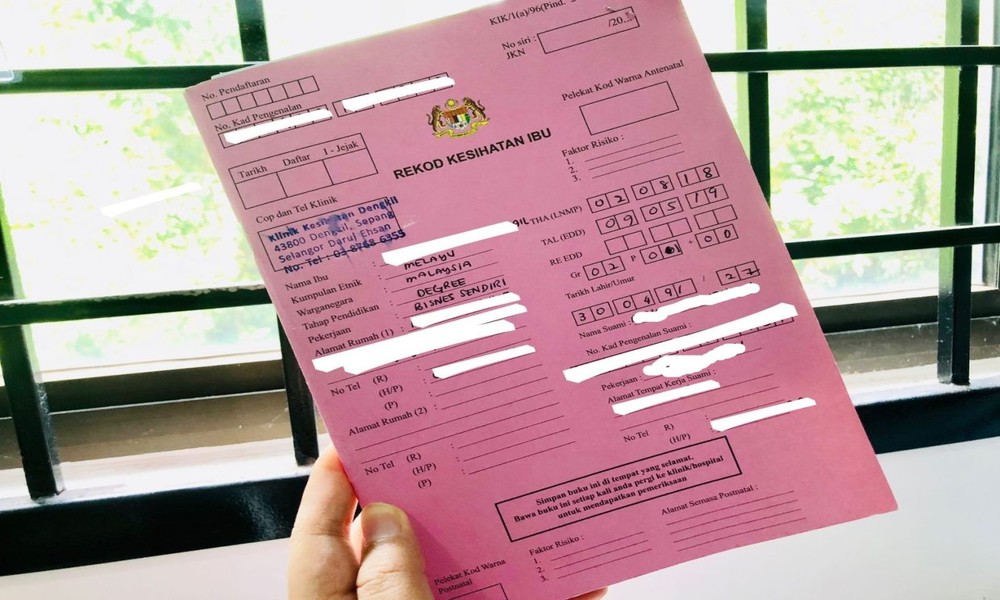
Bring your baby’s birth book. That is the pink or blue health booklet they gave you at the hospital. If you do not have one yet, the clinic will give you one.
One month old
By now, your baby is a little stronger.
The nurse will measure your baby’s length and head size. They will plot these numbers on a growth chart. This is not to judge you. It is to catch problems early if they exist.
You will also get the first vaccines. Usually BCG for TB and Hepatitis B. Your baby might cry. That is okay. Hold them close after.
The nurse will ask how your baby sleeps. And they will ask about your own health too. Tell them the truth. If you feel sad or worried all the time, say so. Postpartum depression is real. They can help.
Two months old
This visit is mostly about vaccines. Your baby will get a few shots for diphtheria, whooping cough, tetanus, and polio. Some clinics combine them into one injection.
Your baby may get a mild fever afterward. That is normal. The nurse will tell you what to do. Keep some paracetamol syrup at home, but ask the clinic for the right dosage first.
At this age, your baby might start smiling. Not just gas. Real smiles. The nurse will ask about that too. They are checking development.
Three months old
Another vaccine visit. The second dose of the same shots.
Your baby will be weighed again. If your baby is not gaining enough weight, the nurse may ask about your feeding routine. Be honest. If breastfeeding is hard, say so. If you are using formula, just tell them.
They are not there to shame you. They are there to help your baby grow.
Four to five months old
Third dose of the same vaccines. Almost done with the first set.
By now, your baby might try to roll over. Some babies do it earlier. Some later. The nurse will ask about these small milestones. They will also check your baby’s eyes. Do they follow a moving toy or your face? That is a good sign.
If you have any worries about your baby’s hearing or vision, bring it up now.
Six months old
This is a big visit. Your baby will get more vaccines, usually for Hepatitis B again and sometimes polio drops. They will also get a vitamin A supplement. This is important for their eyes and immune system. The nurse will give it to your baby right there. It is just a small drop.
At six months, your baby can start eating solid foods. The nurse will explain what to give. Start simple. Mashed banana. Soft porridge. One food at a time. Watch for allergies. Do not add salt or sugar. Your baby does not need them.
The clinic may have a nutritionist or a nurse who specializes in feeding. Ask questions if you have any.
Nine months old
No vaccines at this visit usually. But they will still check growth. Weight, length, head size.
They will ask if your baby can sit without help. Can they pass a toy from one hand to the other? Do they babble sounds like “mama” or “baba”? These are all good signs. If your baby is not doing these things yet, do not panic. But tell the nurse. They may want to see your baby again sooner.
Twelve months old (one year)
The last big checkup of the first year.
Your baby will get the MMR vaccine. That covers measles, mumps, and rubella. This is important. Measles is still dangerous for young children. They will also get another dose of the Hepatitis A vaccine if your clinic offers it, plus more vitamin A.
By now, your baby might stand with help. Some babies even take their first steps. Others do not. Both are normal.
The nurse will ask about words. Does your baby say one or two simple words like “mama” or “bah” for bottle? Do they wave bye-bye? Do they point at things they want? Again, these are just checks. Every baby is different.
What to bring every time
Keep a small bag ready. Put these things inside:
- Your baby’s health booklet
- Your own ID, just in case
- A spare diaper
- A small blanket
- A pacifier if your baby uses one, to calm them after shots
What to ask the nurse
Do not be shy. They expect questions. Here are some good ones:
- “Is my baby’s weight okay?”
- “How much milk or food should my baby eat now?”
- “What fever is too high?”
- “When should I come back if my baby seems sick?”
Write your questions down before you go. You will forget them once you are there. That happens to everyone.
When to go outside the schedule
Go to the klinik kesihatan ibu dan anak or any clinic immediately if:
- Your baby has a fever over 38°C (100.4°F) and is under three months old
- Your baby stops feeding or drinks very little
- Your baby is hard to wake up
- Your baby has trouble breathing
- Your baby has a seizure
Do not wait. Just go.
One last thing
You will make mistakes. You will forget an appointment sometimes. That is fine. Call the clinic. Reschedule. They will not scold you.
The klinik kesihatan ibu dan anak is not there to judge you. They are there to keep your baby safe. Use them. And take care of yourself too. A tired, stressed parent is not a bad parent. But a parent who asks for help is a smart one. You have got this. One visit at a time.