
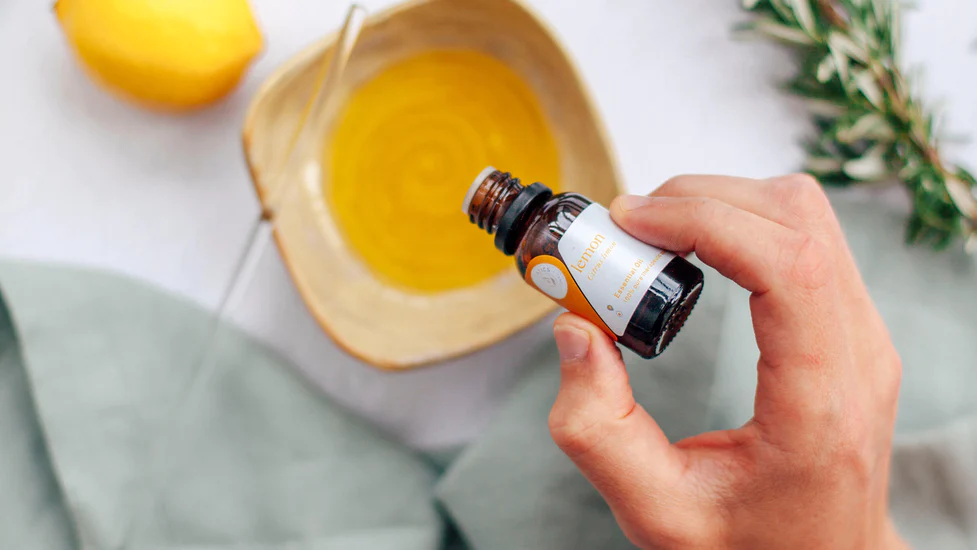
Essential oils have gained immense popularity for their aromatic and therapeutic properties. Derived from plant extracts, these oils offer a natural and holistic approach to well-being. However, to fully enjoy the benefits of essential oils, it’s crucial to understand how to use them safely and effectively.
In this guide, we’ll explore the basics, ensuring you make the most of these potent extracts.
Understanding Essential Oils
What Are Essential Oils?
Essential oils are concentrated liquids extracted from plants, capturing their unique fragrances and properties. These oils contain the essence of the plant, including its aroma and potential therapeutic benefits.
Choosing Pure Essential Oils
To ensure the efficacy of your essential oils, opt for high-quality, pure products. Look for reputable brands that prioritize organic and sustainable sourcing. Choosing pure essential oils guarantees that you’re getting the full spectrum of the plant’s goodness.
Safe Usage Practices
-
Dilution is Key
Given their high concentration, it is essential to dilute essential oils before applying them to the skin. Carrier oils, such as jojoba or coconut oil, serve as excellent dilution agents, minimizing the potential for skin irritation.
-
Patch Testing
Prior to extensive use, conduct a patch test to detect any potential allergic reactions. Apply a small quantity of the diluted oil to a small skin area and wait for 24 hours to confirm the absence of adverse effects.
-
Follow Recommended Dosages
Each essential oil has its recommended dosage for safe use. Abide by these guidelines to prevent overuse, which can lead to sensitivities or adverse reactions.
-
Sensitivity and Age Considerations
Be aware of individual sensitivities, especially for pregnant women, infants, and the elderly. Consult with a healthcare professional before using essential oils on these populations. Some oils may not be suitable for certain individuals or age groups.
-
Sun Sensitivity
Certain citrus essential oils, such as bergamot and grapefruit, can make your skin more sensitive to sunlight. Avoid direct sun exposure for at least 12 hours after applying these oils to prevent skin irritation or burns.
Methods of Application
-
Inhalation
Inhaling essential oils can have a profound impact on mood and overall well-being. Use a diffuser or add a few drops to a bowl of hot water for a calming and uplifting experience.
-
Topical Application
When applying essential oils to the skin, always dilute them with a carrier oil. Massage the mixture onto specific areas, such as pulse points or sore muscles, for targeted benefits.
-
Aromatherapy
Create your own blends for aromatherapy by combining complementary essential oils. Experiment with scents to find combinations that suit your preferences and address your specific needs.
-
Steam Inhalation
For respiratory benefits, add a few drops of essential oil to a bowl of steaming water. Cover your head with a towel, close your eyes, and inhale the steam. This method is effective for clearing nasal passages and promoting respiratory comfort.
-
Compress Application
Create a compress by adding a few drops of essential oil to warm or cold water, depending on your needs. Soak a cloth in the mixture and apply it to the affected area. This method is particularly useful for soothing sore muscles or reducing swelling.
Storage and Shelf Life
-
Proper Storage
Store your essential oils in dark glass bottles, away from direct sunlight and heat. This preserves their potency and prevents deterioration.
-
Check Expiry Dates
Essential oils have a shelf life, and using expired oils can be less effective or even harmful. Regularly check the expiration dates on your bottles and replace any that have surpassed their recommended use-by date.
-
Avoid Contamination
To prevent contamination and maintain the purity of your essential oils, use clean droppers or pipettes when transferring oils from one container to another. Avoid direct contact between the bottle and your skin to minimize the risk of introducing impurities.
-
Refrigeration for Certain Oils
Some delicate oils, like rose or citrus oils, benefit from refrigeration to extend their shelf life. However, be sure to bring them back to room temperature before use, as cold oils may not disperse their aroma as effectively.
Conclusion
In conclusion, incorporating essential oils into your wellness routine can be a rewarding experience when done safely and effectively. By understanding their properties, following proper usage guidelines, and experimenting with different applications, you can harness the power of pure essential oils for a healthier and more balanced life.