
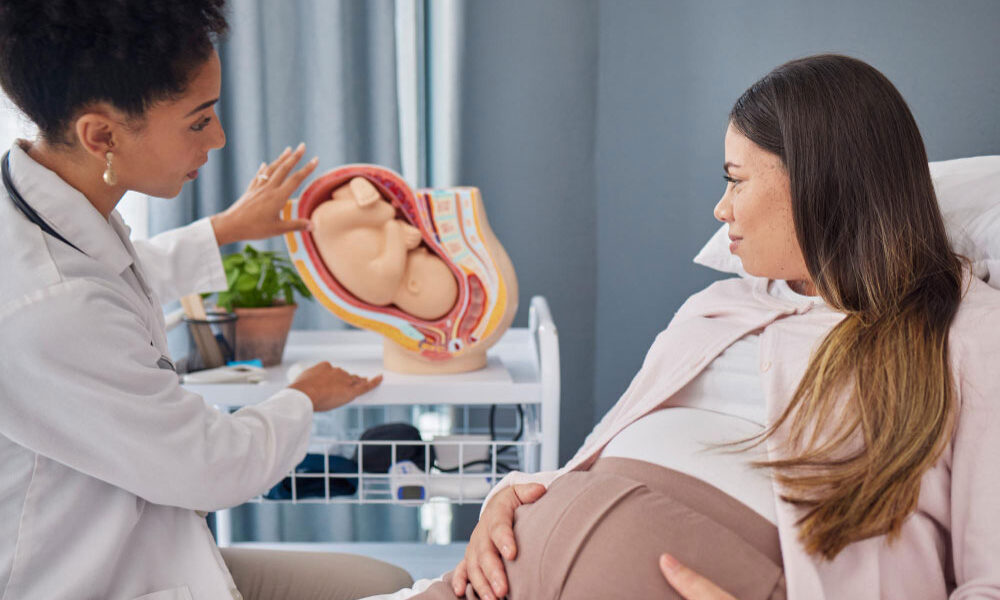
Uterine fibroids are among the most common benign growths affecting women of reproductive age. Although non-cancerous, these muscular tumours within the uterus can cause a range of symptoms, from heavy menstrual bleeding and pelvic pressure to pain and fertility challenges. For women experiencing these disruptive symptoms, access to focused care and expert guidance is crucial.
In a city like London, where medical innovation and specialist expertise converge, women have access to advanced uterine fibroids treatment London options that are tailored to individual needs. Understanding when to seek help, what treatments are available, and how specialist gynaecologists guide care can help women make informed decisions about their health.
What Are Uterine Fibroids?
Uterine fibroids are growths of the smooth muscle tissue in the uterus. They vary in size, number, and location, and their presence doesn’t always mean symptoms will occur. Some women live with fibroids without discomfort, while others experience significant pain, heavy bleeding, or issues with fertility and pregnancy.
Fibroids are typically classified based on their location:
- Submucosal fibroids – just beneath the uterine lining
- Intramural fibroids – within the uterine wall
- Subserosal fibroids – on the outer uterine surface
These differences influence how symptoms appear and what type of management proves most effective.
When to Consider Treatment
Not all uterine fibroids require immediate intervention. Many are monitored over time, especially if they are small and asymptomatic. However, uterine fibroids treatment London is often considered when symptoms begin to interfere with daily life, such as:
- Heavy or prolonged menstrual bleeding
- Pelvic pain or pressure
- Frequent urination due to bladder compression
- Difficulty conceiving or maintaining pregnancy
- Persistent fatigue related to anaemia caused by heavy bleeding
When these symptoms persist or worsen, consulting a specialist can help clarify the most appropriate approach.
The Role of a Specialist Gynaecologist
A gynaecologist specialist London brings advanced expertise in both diagnosis and tailored treatment of uterine fibroids. These specialists conduct thorough assessments that include medical history, pelvic examination, imaging studies such as ultrasound or MRI, and discussion of symptoms and personal health goals.
Because fibroids impact women differently, care decisions benefit from specialist insight that weighs clinical evidence alongside each individual’s priorities whether symptom control, fertility preservation, or minimising invasive interventions.
Exploring Treatment Options
There is no single “one-size-fits-all” solution when it comes to managing uterine fibroids. The best treatment for fibroids depends on factors such as the size and location of the fibroids, severity of symptoms, age, desire for future fertility, and overall health.
Common treatment options include:
Conservative and Medication-Based Approaches
Medications may be used to manage symptoms, particularly heavy menstrual bleeding and pain. These can include hormonal therapies that regulate menstrual cycles or medications that reduce fibroid-related bleeding. For some women, these approaches offer meaningful relief without surgery.
Minimally Invasive Procedures
In cases where medication alone isn’t sufficient, minimally invasive procedures may be considered. These can include uterine artery embolisation (UAE) a technique that reduces blood flow to fibroids to shrink them and MRI-guided focused ultrasound, which can target and destroy fibroid tissue with precision.
These options are often considered by women who want to manage symptoms while avoiding major surgery.
Surgical Treatment
Surgical approaches may be recommended when fibroids are large, symptomatic, or affecting fertility. Myomectomy removal of fibroids while preserving the uterus is often considered the best treatment for fibroids when fertility preservation is a priority. In contrast, hysterectomy complete removal of the uterus may be recommended in cases where fertility is no longer a concern and symptoms are severe.
Decisions about surgery are made collaboratively, weighing symptom severity, reproductive goals, and personal preferences.
What to Expect During Specialist Care
Consultation with a gynaecologist specialist London typically begins with a detailed discussion of symptoms and a comprehensive exam. Imaging tests help clarify the size, number, and location of fibroids, forming a baseline for treatment planning.
Follow-up care may involve monitoring fibroid growth, adjusting treatment plans, or preparing for more definitive interventions if needed. Throughout this process, open communication between patient and specialist ensures that choices align with lifestyle, expectations, and long-term health goals.
Expert Support for Fibroid Care in London
Uterine fibroids can raise questions about health, fertility, and long-term comfort. Access to accurate information, thoughtful assessment, and personalised care helps women navigate these concerns with confidence. For those seeking focused support and clarity in managing uterine fibroids, leading specialist clinicians in London offer comprehensive uterine fibroids treatment London tailored to individual needs. With a compassionate approach and expert insight, a gynaecologist specialist London can help determine the most suitable treatment pathway from conservative management to the best treatment for fibroids based on symptom profile and life goals helping patients pursue meaningful improvement and lasting well-being.