


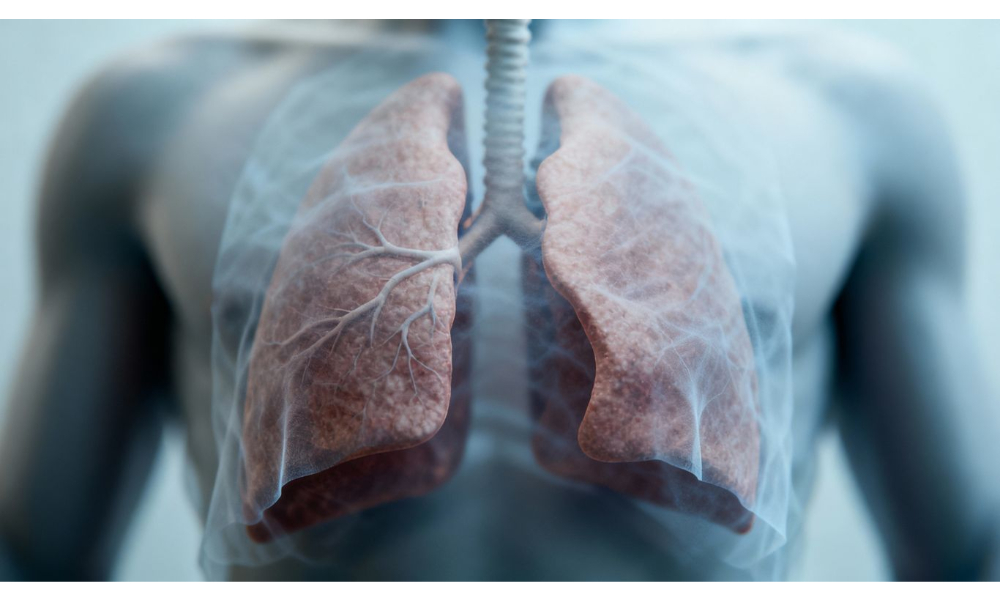
What is Asbestos Related Respiratory Disease?
Asbestos related respiratory disease refers to a group of lung conditions that develop after inhaling asbestos fibers. These microscopic fibers, when disturbed from materials like insulation or building products, can become airborne and lodge deep within the lungs. Over time, this can lead to serious health problems. The body has a hard time getting rid of these fibers, and they can cause inflammation and scarring. This chronic irritation is the root cause of many asbestos-induced lung issues.
Common Types of Asbestos Related Lung Conditions
Several distinct conditions can arise from asbestos exposure:
- Asbestosis: This is a chronic lung disease characterized by scarring of lung tissue. It makes breathing difficult and can worsen over time.
- Lung Cancer: Asbestos exposure significantly increases the risk of developing lung cancer, even in individuals who have never smoked. The risk is even higher for smokers who have been exposed to asbestos.
- Mesothelioma: This is a rare but aggressive cancer that affects the lining of the lungs (pleura), abdomen (peritoneum), or heart (pericardium). It is almost exclusively caused by asbestos exposure.
- Pleural Plaques, Thickening, and Effusions: These are non-cancerous changes to the pleura, the membrane surrounding the lungs. While often asymptomatic, they can sometimes cause chest pain or breathing problems.
The Link Between Asbestos Exposure and Lung Health
The connection between asbestos and lung health is well-established. When asbestos fibers are inhaled, they travel into the lungs and can become permanently embedded. The body’s immune system tries to remove them, but the fibers are sharp and durable, leading to ongoing inflammation. This inflammation can cause:
- Fibrosis: Scar tissue forms in the lungs, making them stiff and less able to expand.
- Cellular Damage: The fibers can damage lung cells, increasing the risk of mutations that lead to cancer.
- Chronic Inflammation: Persistent inflammation contributes to the progression of diseases like asbestosis and increases cancer risk.
⠀
The latency period for these diseases is often very long, meaning symptoms may not appear for 10 to 40 years or even longer after the initial exposure. This makes diagnosis challenging and highlights the importance of knowing one’s exposure history.
Recognizing Symptoms of Asbestos Related Lung Illness
Early Warning Signs to Watch For
It can be tricky to spot asbestos-related lung problems early on because the symptoms often mimic other common respiratory issues. Many people don’t experience any noticeable problems for decades after exposure. However, paying attention to subtle changes in your breathing and overall health is important. Some initial signs might include a persistent, dry cough that doesn’t seem to go away. You might also notice shortness of breath, especially when you exert yourself, like climbing stairs or walking briskly. Some individuals report chest pain or tightness, which can be a sign that the lungs or the lining around them are irritated.
Progressive Symptoms and Their Impact
As asbestos-related lung conditions advance, the symptoms tend to become more pronounced and can significantly affect daily life. The shortness of breath can worsen, making even simple activities difficult. The cough may become more frequent and could produce mucus. Fatigue is also a common complaint, as the body struggles to get enough oxygen. In more advanced stages, people might experience unintended weight loss and a general feeling of being unwell. These progressive symptoms can lead to a reduced ability to work, engage in hobbies, and enjoy time with family and friends.
When to Seek Medical Attention
It is vital to consult a healthcare professional if you experience any persistent respiratory symptoms, especially if you have a history of asbestos exposure. Don’t dismiss a cough that lingers for weeks or shortness of breath that interferes with your daily routine. If you worked in industries where asbestos was common, such as construction, shipbuilding, or manufacturing, and you develop these symptoms, it’s even more critical to get checked out. Early diagnosis can lead to better management of the condition and potentially slow its progression. Be prepared to discuss your work history and any potential exposure with your doctor.
Diagnostic Approaches for Asbestos Induced Lung Damage
Medical History and Exposure Assessment
Figuring out if asbestos is the culprit behind lung problems starts with a good talk about your past. Doctors will ask detailed questions about where you’ve worked, lived, and any hobbies you’ve had. They’re looking for any potential contact with asbestos-containing materials. This might involve discussing jobs in construction, shipbuilding, insulation, or even living in older homes that might have had asbestos in the walls or ceilings. Pinpointing past exposure is a key step in the diagnostic process.
Imaging Techniques for Lung Evaluation
Once a potential exposure is identified, doctors often turn to imaging tests to get a look inside the lungs. These tests help spot any changes or damage that might be related to asbestos fibers. Common imaging methods include:
- Chest X-rays: These provide a basic picture of the lungs and can show larger abnormalities like thickening of the lung lining or fluid buildup.
- CT Scans (Computed Tomography): These offer more detailed cross-sectional images of the lungs. CT scans are better at detecting smaller changes, such as tiny scars (fibrosis) or small nodules that might not be visible on a regular X-ray.
Pulmonary Function Tests and Biopsies
Beyond just looking at the lungs, doctors need to understand how well they are working. Pulmonary function tests (PFTs) measure how much air the lungs can hold and how quickly air can be moved in and out. These tests can reveal restrictive lung disease, where the lungs can’t expand fully, which is common with asbestos-related conditions. In some cases, a biopsy might be needed. This involves taking a small sample of lung tissue to examine under a microscope. While not always necessary, a biopsy can provide a definitive diagnosis by directly identifying asbestos bodies or characteristic scarring within the lung tissue.
Treatment Strategies for Asbestos Related Respiratory Conditions
Managing Symptoms and Improving Quality of Life
Dealing with asbestos-related lung issues means focusing on making life more comfortable. The main goal here isn’t usually to cure the disease, as many of these conditions are progressive, but to manage the symptoms that arise. This often involves a multi-faceted approach tailored to the individual’s specific condition and how it’s affecting them. Think about breathing difficulties, pain, and fatigue – these are common complaints that can really impact daily activities. Managing these symptoms can make a big difference in how a person feels and functions.
Key strategies include:
- Breathing exercises: Learning techniques to breathe more efficiently can help reduce shortness of breath. These exercises are often taught by respiratory therapists.
- Energy conservation: Pacing activities and learning to rest when needed can help manage fatigue. This might involve breaking down tasks into smaller, more manageable parts.
- Pain management: If pain is a factor, doctors can prescribe medications or recommend other therapies to help control it.
- Nutritional support: Maintaining good nutrition is important for overall health and can help the body cope with illness.
Medications and Therapies
While there’s no single cure for most asbestos-related lung diseases, various medications and therapies can help manage symptoms and slow disease progression. The specific treatments depend on the condition, such as asbestosis, mesothelioma, or asbestos-related lung cancer.
- Corticosteroids: These can be used to reduce inflammation in the lungs, which may help with shortness of breath and discomfort in some cases.
- Bronchodilators: These medications help open up the airways, making it easier to breathe. They are often used for conditions that involve airway narrowing.
- Oxygen therapy: For individuals with low blood oxygen levels, supplemental oxygen can significantly improve breathing and reduce fatigue, allowing for more activity.
- Pulmonary rehabilitation: This is a program designed to help people with chronic lung diseases improve their physical and emotional well-being. It typically includes exercise training, education on managing the condition, and support.
Surgical Interventions and Supportive Care
In certain situations, surgical interventions might be considered, though they are not always a primary treatment for all asbestos-related lung conditions. For conditions like mesothelioma, surgery might be an option to remove tumors, often in combination with other treatments like chemotherapy or radiation. The decision for surgery is complex and depends heavily on the stage of the disease and the patient’s overall health.
Supportive care is also a vital part of managing these illnesses. This includes:
- Palliative care: This type of care focuses on providing relief from the symptoms and stress of a serious illness. The goal is to improve quality of life for both the patient and the family.
- Psychological support: Coping with a serious lung disease can be emotionally challenging. Counseling and support groups can provide a space to discuss feelings and learn coping strategies.
- End-of-life care planning: For advanced stages of the disease, discussing wishes for care and making plans can provide peace of mind for patients and their loved ones.
Preventing Future Asbestos Related Lung Diseases
Preventing asbestos-related lung diseases primarily involves minimizing exposure to asbestos fibers. This is especially important for individuals working in industries where asbestos was historically used or for those undertaking renovations in older buildings. Awareness and proactive measures are key to safeguarding lung health.
Occupational Safety Measures
For workers in fields like construction, demolition, shipbuilding, and manufacturing, strict adherence to safety protocols is paramount. This includes:
- Proper Training: All personnel who may encounter asbestos must receive thorough training on identifying asbestos-containing materials (ACMs), safe handling procedures, and the use of personal protective equipment (PPE).
- Use of PPE: Always wear appropriate respiratory protection, such as N95 respirators or higher-grade masks, and protective clothing when working in environments with potential asbestos exposure. This gear should be properly fitted and maintained.
- Containment and Ventilation: Work areas where asbestos is disturbed should be sealed off to prevent fiber spread. Local exhaust ventilation systems with HEPA filters can help capture airborne fibers.
- Safe Disposal: Asbestos waste must be handled and disposed of according to strict regulations to prevent environmental contamination and further exposure risks. Understanding the risks of asbestos exposure is the first step.
Home Renovation Precautions
Older homes, particularly those built before the 1980s, may contain asbestos in various materials like insulation, ceiling tiles, floor tiles, and roofing. If you are planning renovations, it is vital to:
- Identify Potential ACMs: Before disturbing any materials, assume they may contain asbestos, especially if the building is older. A professional inspection can confirm the presence and type of asbestos.
- Professional Abatement: For any renovation work that might disturb suspect materials, hire certified asbestos abatement professionals. They have the specialized equipment and knowledge to remove asbestos safely and effectively.
- Avoid Disturbance: If ACMs are in good condition and unlikely to be disturbed, it is often best to leave them in place. Do not sand, scrape, or drill into materials that might contain asbestos.
Awareness and Education
Public awareness campaigns and educational initiatives play a significant role in preventing future cases of asbestos-related diseases. Understanding the historical uses of asbestos, the health risks associated with its fibers, and the importance of caution in older environments empowers individuals to make informed decisions. Sharing information about asbestos safety can help protect not only oneself but also family members and the wider community from potential harm.