


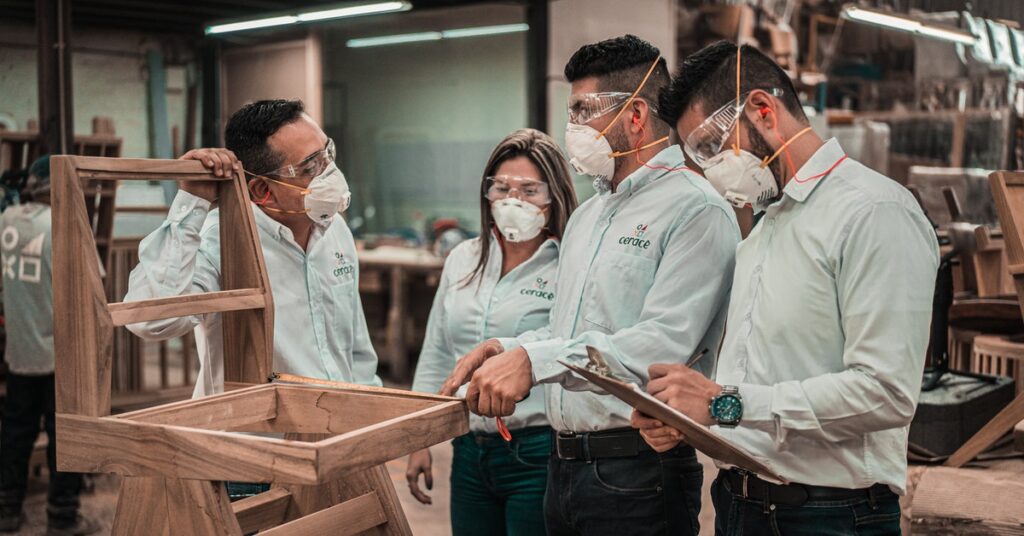
Coronavirus forced most businesses to put their activities on hold, though many companies have reopened their doors. For most individuals, the reopening is exciting and offers hope for a better tomorrow, but many returning workers face safety and health risks.
No matter the type of business you are operating, there are many aspects, which you should consider, as an employer, regarding workplace safety. Some of the workplace measures you can consider to keep workers safe include:
- Track the Changes of COVID-19
Part of the challenges in fighting this virus is its capability to flare up in hours and days. For instance, in the US, the reopening of businesses has resulted in spikes of this virus. While it can be tempting to track the way the country is fairing as a whole, it would be wise to concentrate on local numbers first.
Your state statistics can be helpful in guiding how fast your workers can go back to work. If the number starts to rise, you might need to consider stopping your plans to go back to the office.
- Report Risky Conditions
Safety and health are usually a collective effort. You need to encourage your workers to report any unsafe condition to their managers as soon as they realize something is wrong.
From a precariously stacked shelf to a wet floor, ensure your staff speaks up. This is the first line of defense against accidents, and it could be important to maintain a safer workspace. You should also actively involve your employees in workplace safety and urge them to take responsibility for themselves.
- Communicate with Employees
When you prioritize open communication, you will offer your employees a chance to make their workspace safer. Through daily, weekly, and monthly safety meetings or talks, you may prepare and influence every individual on safety matters.
This means allowing employees to give input and recognition to work well done. Effective communication is also important because it:
- Provides a purpose
- Creates responsibilities among the staff members
- Avoids confusion
- Establishes a strong safety culture
- Active Testing and Monitoring
Workers may get temperature monitoring checks upon their arrival in the retail store, office, or warehouse. Staff carrying out rapid COVID-19 testing needs to wear (personal protective equipment) PPE to ensure they are not at risk.
Testing using mobile hand-held devices to check for elevated temperatures is the first step of protecting your workers against employees who might have an infection but don’t have visible or obvious symptoms.
- Set Hand Washing Stations
The aptness of handwashing stations depends on the kind of work situation presented and the type of building. However, you should establish a buffer zone to screen everyone entering the office or work area from the outside. Doing so allows you to protect the individuals from getting exposed.
There are various kinds of handwashing stations. Some are extensive, while others are simple temporary upright areas, allowing people to safely sanitize their elbows, hands, and forearms.
In a Nutshell!
OSHA’s rules and regulations are vital, though true workspace safety begins with the personal responsibility of every worker, cemented to the culture of your company.
When your workers are familiar and well-trained with the latest safety standards in the workplace, it means they are ready to recognize unsafe conditions, avoid accidents, and respond fast.