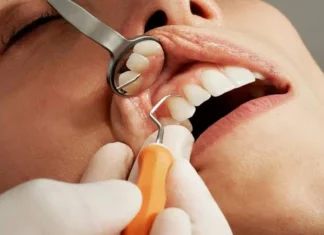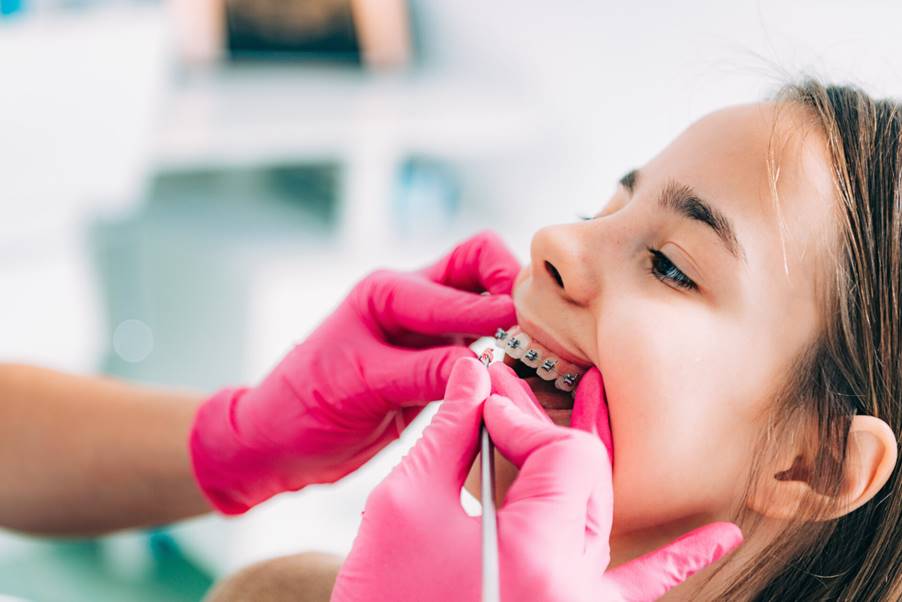
The first thing that people see is the smile on your teenager, and a well-aligned bite is a sign of good health, better articulation, and the absence of dental issues in the future. Every new parent asks questions like when their child should begin orthodontic treatment, what to expect during, and how to support them post-treatment.
When to Start
Usually, parent’s look for answers to their query; is my teen ready to have braces? The American Association of Orthodontists suggests that all children should have a full orthodontic assessment at an early age of 7 years and the active treatment is usually initiated at age 11 to 13. During early examination your orthodontist will be able to identify the arising problems like overcrowding, overbite or crossbites.
They will then recommend a custom plan to correct these problems by taking the natural development of the jaws into consideration. Hom Orthodontics has a friendly atmosphere at their clinic and are popular among the teens. Their Manhattan Beach orthodontist team specializes in clear aligners and ceramic braces.
What To Expect During the Initial Visit
The orthodontist will gather an elaborate dental history, conduct a physical examination and typically take X -rays and digital impressions during the first visit. It is possible through these pictures to construct 3D picture of teen’s mouth for designing tailor-made treatment plan. The parents can comfortably inquire about the anticipated duration, the frequency of clinic visits, and the price.
Types of Braces for Teens
- Traditional Metal Braces
- Ceramic or Clear Braces
- Lingual Braces
- Clear Aligners (e.g., Invisalign)
Managing Discomfort
Teens do not have to feel bad or sore when a new appliance has been installed or the wires are changed. Pain killers, orthodontic wax and soft food can alleviate the pain. Ask your teen to clean the appliance and brush with a soft touch as well as floss according to the orthodontists’ instructions.

Lifestyle Adjustments
- Dietary modifications: Dietary hard or sticky food is to be avoided until the brackets have completely settled.
- Sports Safety: Custom mouthguard offers protection to teeth and appliances in contact sports.
- Daily Oral Hygiene: Brushing twice in the morning and once at night (or interdental brushes) prevents the presence of plaque and gingivitis.
Monitoring Progress
Orthodontic visits are usually made after every 6-8 weeks. Small adjustments, testing the fit, and resolving all concerns can be done during each visit as the orthodontist can make adjustments. During this time the parents can talk about the milestones of the treatment like taking the rubber bands off or changing their type of bracket to another one.
Ending Treatment
After the right position of the teeth is achieved the orthodontist will take out the braces or the clear aligners and will give a retainer. The teeth are maintained in the new position by the retainers which are typically worn most of the time over a period of a few weeks before they can be switched to nighttime wear. The use of a constant retainer is very essential to sustain the outcome of the orthodontic treatment.
Conclusion
The knowledge of the fundamentals of teen orthodontic care will enable the parents to ensure the health of their children. As a result of early assessment, a definite treatment strategy and regular support a beautiful and healthy lifetime smile can be obtained.