


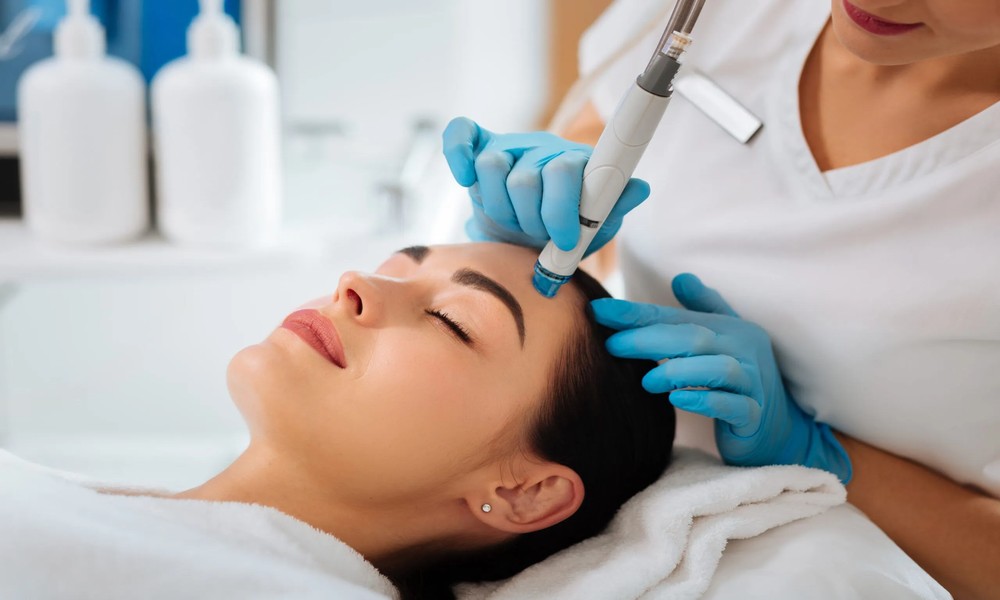
Many people seek effective ways to refresh their complexion and tackle common signs of ageing. One procedure, known as collagen induction therapy or skin needling, has risen in popularity for this very purpose. This minimally invasive cosmetic technique involves creating tiny, controlled punctures in the skin.
These micro-channels trigger the body’s natural wound-healing response. This process boosts collagen and elastin production, which are crucial for firm, youthful-looking skin. The result is a visible improvement in texture, tone, and overall radiance.
In the United Kingdom, this approach has become a sought-after option for those wanting to rejuvenate their appearance. It addresses concerns like fine lines, scars, and uneven skin tone without the need for surgery. The science behind it emphasises the body’s innate ability to repair and renew itself.
This comprehensive guide explores the mechanics and advantages of this innovative procedure. It is tailored for individuals across the UK considering their options for skin enhancement. Readers will find detailed insights into what the process involves, its potential results, and how to proceed safely.
Key Takeaways
- Microneedling, or collagen induction therapy, is a minimally invasive cosmetic procedure.
- It works by stimulating the body’s own natural healing and collagen production processes.
- The technique can improve various concerns, including fine lines, scars, and skin texture.
- It has gained significant popularity as a skin rejuvenation option in the United Kingdom.
- This guide provides essential information for anyone considering the treatment.
- The approach is grounded in scientific understanding of skin cell renewal.
- Potential outcomes include a smoother, more radiant, and youthful complexion.
Understanding Microneedling Treatment Benefits UK
At its heart, this cosmetic approach relies on the body’s innate ability to regenerate and repair. Often termed collagen induction therapy, it is a minimally invasive procedure that prompts the complexion to renew itself from within.
How the Technique Works
A specialised device, resembling a pen, uses fine, sterile needles to create controlled micro-injuries. These tiny punctures are made in the epidermis and superficial dermis.
This careful process is designed to be superficial. It avoids harmful damage while signalling the need for a beneficial repair cascade.
Key Rejuvenation Outcomes
The micro-injuries activate the body’s natural wound-healing response. This crucial reaction stimulates increased cell turnover.
It also boosts the production of essential structural proteins: collagen and elastin. These components are vital for maintaining youthful, supple skin.
Consequently, individuals may notice improved firmness, smoother texture, and a reduction in the appearance of scars or lines. The overall effect is a more radiant and even complexion.
Conducted in a clinical setting, the entire session usually takes around half an hour. A topical anaesthetic cream is applied approximately an hour prior to enhance comfort.
The Science Behind Microneedling and Skin Rejuvenation
Scientifically, the procedure’s success stems from its ability to initiate a controlled healing cascade within the dermal layers. This process leverages the body’s innate regenerative power.
The micro-channels created are interpreted as signals for repair. They activate a sophisticated biological response.
Stimulation of Collagen and Elastin
The cornerstone of rejuvenation is the increased production of collagen and elastin. Collagen provides structural firmness and helps fill lines.
Elastin grants the skin its elasticity and bounce. Together, they restore a youthful architecture.
This production offers an almost instant plumping effect. It addresses existing wrinkles while preventing new ones.
The Wound-Healing Response
The body’s natural wound-healing cascade begins immediately. Increased blood flow and cellular activity follow the micro-injuries.
Protein synthesis is upregulated to rebuild tissue. This leads to noticeable improvements in texture and firmness over time.
The response unfolds over several weeks. New, healthier skin forms as the process matures.
| Protein | Primary Function | Effect on Skin |
|---|---|---|
| Collagen | Provides structural support and firmness | Fills in lines and scars, improves skin density |
| Elastin | Allows skin to stretch and snap back | Maintains suppleness and prevents sagging |
Targeted Benefits for Fine Lines, Wrinkles and Acne Scars
This approach excels in treating two widespread issues: the creases of ageing and the marks of past skin conditions. It offers a focused strategy for these common concerns.
The process stimulates the skin’s natural repair mechanisms. This leads to visible changes in specific problem areas.
Reduction of Fine Lines and Wrinkles
By encouraging new collagen, the method helps plump out fine lines from within. This is particularly effective around delicate areas like the eyes and mouth.
It addresses both superficial creases and deeper wrinkles. Even expression lines and furrows can become less noticeable over time.
The renewed support structure improves firmness. This can reduce the look of drooping skin.
Improvement in Acne and Surgical Scars
For acne scars, the technique works by remodelling old, uneven tissue. It prompts the formation of smoother, healthier skin.
This action benefits various types of scars, including atrophic marks from acne and marks from surgery. The appearance of textural imperfections is softened.
Consistent sessions lead to progressive refinement. The depth and visibility of these concerns can diminish.
| Skin Concern | Primary Action | Expected Outcome |
|---|---|---|
| Fine Lines & Wrinkles | Collagen induction to fill creases | Smoother texture, reduced line visibility |
| Acne Scars | Breakdown of old scar tissue, new tissue formation | Evened-out surface, less noticeable pitting |
| Surgical Scars | Remodelling of fibrous tissue | Softer, flatter scar appearance |
Enhancing Skin Texture and Overall Appearance
Beyond targeting specific flaws, this method delivers a holistic upgrade to the complexion’s surface and luminosity. It aims for comprehensive improvements in skin texture and a more radiant look.
The procedure refines the surface, creating a smoother, more even texture. It can also minimise the visible size of enlarged pores. This contributes to a refined, polished look.
Another key improvement is a more uniform tone. The process helps reduce areas of discolouration for a balanced appearance. This, combined with enhanced clarity, gives the complexion a healthier glow.
These changes stem from renewed collagen and surface cell regeneration. They improve firmness and can reduce a crepey texture. The outcome is a naturally refreshed and youthful look.
Optimal results for texture and tone from microneedling typically develop over a course of sessions. Progressive refinement becomes visible in the following months.
Comparing Microneedling with Other Skin Treatments
Navigating the landscape of aesthetic improvements requires a clear view of alternatives. This comparison helps individuals understand where different treatments excel.
It highlights the distinct mechanisms and ideal applications for popular options.
Chemical Peels versus Microneedling
Chemical peels and microneedling achieve results through fundamentally different actions. Peels use acids to safely remove damaged surface layers.
This exfoliation reveals newer, smoother skin underneath. In contrast, microneedling stimulates repair from within.
It creates micro-channels that trigger the body’s healing response. This process fills imperfections by boosting collagen production.
Unique Advantages of a Minimally Invasive Procedure
As a minimally invasive technique, it offers significant benefits. Downtime is typically shorter than with aggressive resurfacing treatments.
It also carries a lower risk of post-inflammatory colouration changes. This is particularly relevant for those with darker complexions.
The procedure is versatile and can be tailored to various skin types. It often provides a middle ground between superficial creams and major surgery.
While other treatments target specific issues, this approach addresses multiple concerns at once. Consulting a qualified practitioner is the best way to decide on a personalised plan.
Preparing for a Microneedling Session
The journey towards a rejuvenated complexion begins long before the actual session takes place. Optimal results and safety depend on a proper consultation and a dedicated aftercare plan.
Pre-Treatment Consultation Guidelines
A thorough consultation with a qualified practitioner is the essential first step. They will assess your skin type, discuss specific concerns, and review your medical history.
This process determines your suitability and sets clear expectations. It also includes a breakdown of the procedure costs and the likely number of sessions needed.
To ensure comfort, a topical anaesthetic is usually applied to the face 30 to 45 minutes beforehand. This minimises any discomfort during the treatment.
Essential Aftercare Recommendations
Post-session care is crucial for healing. Allow your skin adequate time to recover before applying makeup-typically 24 to 48 hours.
When resuming your skincare and cosmetics routine, use clean brushes. Opt for mineral-based, non-comedogenic products to minimise irritation.
Following your practitioner’s specific skincare advice significantly influences the final outcome. Diligent aftercare supports the body’s natural healing process for the best possible results.
Expert Providers and Consultation
The quality of your results hinges significantly on the expertise of the practitioner you choose. A successful outcome depends on their skill, experience, and adherence to strict safety protocols.
Selecting the right professional is a critical step in your aesthetic journey. It ensures your specific needs are met with precision and care.
Finding Qualified Practitioners Including Banning Skin Ltd
Look for providers with verifiable credentials in aesthetic medicine. Proper training, professional memberships, and a portfolio of successful outcomes are key indicators.
Adherence to UK safety and hygiene standards is non-negotiable. A reputable clinic, such as Banning Skin Ltd, exemplifies this professional approach.
Their qualified practitioners prioritise patient safety and satisfaction. They use evidence-based techniques to deliver effective, tailored plans.
Booking a Consultation with Banning Dental
A thorough consultation is the essential first step. It allows a specialist to assess your skin type, discuss your concerns, and determine suitability.
This meeting is your opportunity to ask questions and view before-and-after galleries. Establishing realistic expectations is a core part of the process.
Expert providers, including those at Banning Dental, offer these consultations to develop a customised protocol. They ensure the plan aligns perfectly with your individual goals.
Investing time in this research and initial discussion is fundamental. It paves the way for a safe, satisfying, and successful experience.
The Microneedling Procedure: A Step-by-Step Insight
Understanding exactly what happens during a session can ease any apprehension and set clear expectations. This outline walks through the typical stages of a clinical appointment.
What to Expect During the Treatment
First, a topical anaesthetic cream is applied to the face or target area. This sits for about 30 to 45 minutes to ensure comfort throughout the procedure.
The practitioner then uses a pen-like device tipped with fine, sterile needles. These needles create thousands of microscopic channels in the skin’s surface.
They move the tool in systematic patterns for even coverage. The depth is adjusted based on the concern being addressed.
Most people describe the sensation as a mild pricking or tingling. The entire process for the face often takes around half an hour.
Larger areas on the body may require more time. After the needling, a soothing serum is usually applied to aid recovery.
Post-Treatment Recovery and Skincare Routine
Proper aftercare is essential for maximising the positive outcomes of any aesthetic procedure. This phase supports the body’s natural healing processes and directly influences the final results.
Immediate Post-Treatment Effects
Right after the session, the skin often shows redness and feels sensitive or warm. These signs are a normal part of the healing response, similar to a mild sunburn.
This initial reaction typically fades within 24 to 48 hours. Most people can resume daily activities soon after, though the complexion may look slightly flushed.
Long-Term Skin Improvements
Complete healing and the fading of all redness can take up to a week. Some may notice mild flaking as new cells emerge.
During this time, a gentle skincare routine is vital. It is crucial to avoid sun exposure and use a high-SPF sunscreen.
The micro-channels created allow for better absorption of topical products. This makes it an ideal time to apply nourishing serums.
Over the following weeks, collagen remodelling continues. Gradual improvements in skin texture, firmness, and overall appearance become visible.
Consistent skincare and periodic sessions help maintain these results. Protecting and nurturing your skin ensures the care you invest yields lasting refinement.
Reviewing Safety, Risks and Suitable Candidates
Before embarking on a course of action, it is wise to review potential risk and assess suitability. This cosmetic approach is generally safe when performed by qualified practitioners. However, understanding what to expect is crucial for informed consent.
Common, temporary side effects include redness, mild swelling, and sensitivity. These usually fade within a day or two. Pinpoint bleeding during the session is also normal.
Less frequent concerns are minor bruising, peeling, or dryness. These typically resolve without issue in several days.
Identifying Contraindications
While rare, complications can occur. Infection is a risk if sterile techniques fail. Changes in pigmentation are possible if sun exposure isn’t avoided post-treatment.
Fortunately, the risk of post-inflammatory pigmentation is lower than with some other resurfacing methods. This makes it suitable for various skin tones.
Not everyone is a candidate. The procedure is not advised for those with:
- Active acne breakouts (though it can treat acne scars).
- Active skin infections or certain conditions like eczema.
- A tendency to form keloid scars.
- Individuals who are pregnant or breastfeeding.
Full disclosure during consultation allows practitioners to minimise concerns and tailor the plan. Choosing an expert is the best way to ensure a safe experience.
Additional Considerations for UK Skin Rejuvenation
Financial planning is an essential, yet sometimes overlooked, component of embarking on a course of skin rejuvenation treatments.
Cost and Session Packages
The price of a professional session can vary significantly. Factors include your geographic location, the practitioner’s expertise, and the specific technology used.
Generally, it is considered a more affordable option than invasive surgical alternatives. For example, a single session for the full face may range from £250 to £350.
Targeted work for scars might cost around £400. Combining the face and neck often starts at £275 per session.
Many clinics offer package deals for better value. A series of three sessions for the face could be approximately £650.
Optimal results for concerns like wrinkles, fine lines, scars, and enlarged pores usually require a course of multiple treatments. Most practitioners recommend 3 to 6 sessions, spaced 4 to 6 weeks apart.
This cumulative approach supports sustained collagen production for lasting improvement. It is wise to view the process as an investment in a course, not just a one-off event.
“The most satisfying outcomes often come from a planned series, not a single appointment.”
During a consultation, discuss pricing transparency and any available payment plans. Always weigh the practitioner’s credentials and clinic standards alongside the cost.
Conclusion
Ultimately, achieving a more youthful complexion involves harnessing the skin’s natural regenerative capabilities. This procedure stands out as a versatile and safe option for significant enhancement.
It addresses specific concerns like fine lines, wrinkles, and uneven texture while improving overall skin quality. The technique works by stimulating the body’s own collagen and elastin production through controlled healing.
Being minimally invasive, it offers remarkable results without extended downtime. Improvements in tone and appearance develop gradually over weeks.
Consulting with qualified professionals is paramount for personalised, safe outcomes. With proper planning and aftercare, this approach remains a highly sought-after solution for revitalised, radiant skin.