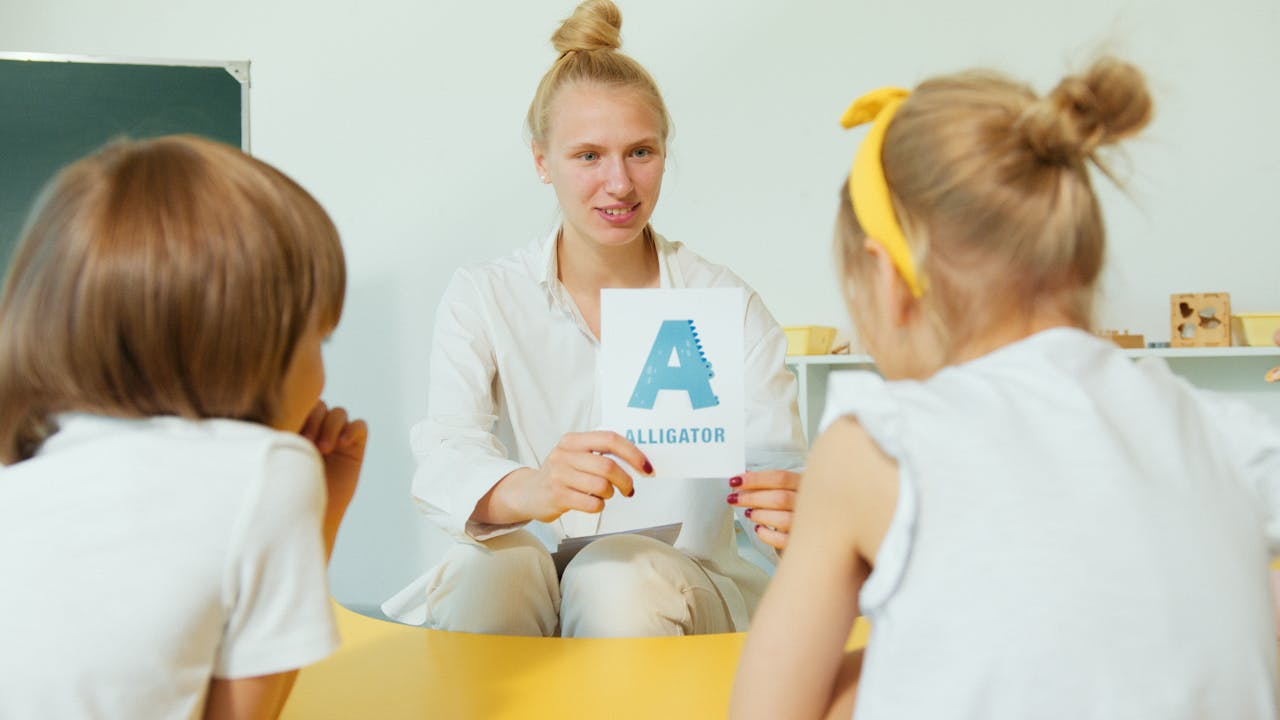
Many families notice early signals when young children struggle with speech. Early support can guide growth and reduce later challenges. Independent audiologists often help identify concerns at the right moment. Children benefit from simple steps that encourage steady language development through careful observation and timely response.
Understanding Early Challenges
Children show clear signs when communication barriers appear. Delays in forming simple sounds or creating basic words indicate the need for careful attention. Early recognition allows supportive guidance that strengthens communication patterns before habits become fixed.
Recognizing Delayed Sound Development
Children may struggle to form certain sounds during early growth. These concerns may appear during attempts to mimic spoken words. Observing these moments helps adults understand when to seek guidance and provide purposeful assistance that encourages steady language building.
Supporting Long-Term Progress
Children benefit from early action that shapes future communication. Simple steps prepare them for steady verbal development.
- Timely support encourages easier adaptation to new communication demands as children grow older.
- Early guidance strengthens patterns that improve social interaction during ordinary activities.
- Focused attention on early signals helps prevent complications that may influence later speech.
- Structured routines create strong communication habits that support learning across daily moments.
- Consistent encouragement enhances confidence and reduces worry during various speaking situations.
Identifying Limited Word Use
Some children speak fewer words than expected for their age. Limited vocabulary can slow overall communication growth. When this pattern continues, timely support offers positive direction that encourages stronger verbal expression and smoother communication progress.
Understanding the Role of Early Support
Support provided at the right moment creates positive change. Early steps can reduce long-term challenges for children. Quick action guides young individuals toward more confident communication and smoother verbal growth.
Building Helpful Habits
Consistent routines support growth in speech. Early support builds a helpful foundation and creates smoother communication.
- Daily short exercises encourage stable improvement and strengthen basic sound accuracy for young children.
- Simple shared activities motivate children to explore words and develop strong communication patterns.
- Clear repetition supports better word formation and reduces confusion during everyday interactions.
- Gentle guidance helps children approach speech tasks with confidence and steady determination.
- Regular speaking moments promote natural improvement and encourage lasting communication growth.
Early action gives children helpful support that nurtures steady verbal progress. Careful observation reveals the right moment to offer guidance that leads to meaningful improvement. Support from Independent audiologists can assist families by confirming early concerns and suggesting suitable steps. Timely direction shapes strong communication habits that guide children toward smoother interactions and confident expression throughout their growth.