


When applying for a job in Singapore under a work permit, one of the essential steps is undergoing a comprehensive medical examination. This process ensures that foreign workers are in good health and do not pose public health risks to the community. Employers and employees alike should understand the types of tests included and why they matter. A proper work permit medical examination compliance is not only mandatory but also helps identify potential health issues early.
The Purpose of the Medical Examination
The primary goal of the employment medical check up is to ensure that incoming workers are fit for employment and do not suffer from infectious diseases that could spread within the workplace or the community. These examinations are guided by Singapore’s Ministry of Manpower (MOM) and must be conducted at approved medical centres. The medical check is usually required before the issuance of the work permit and may also be conducted periodically for certain sectors such as domestic work or construction.
Physical Examination and Basic Measurements
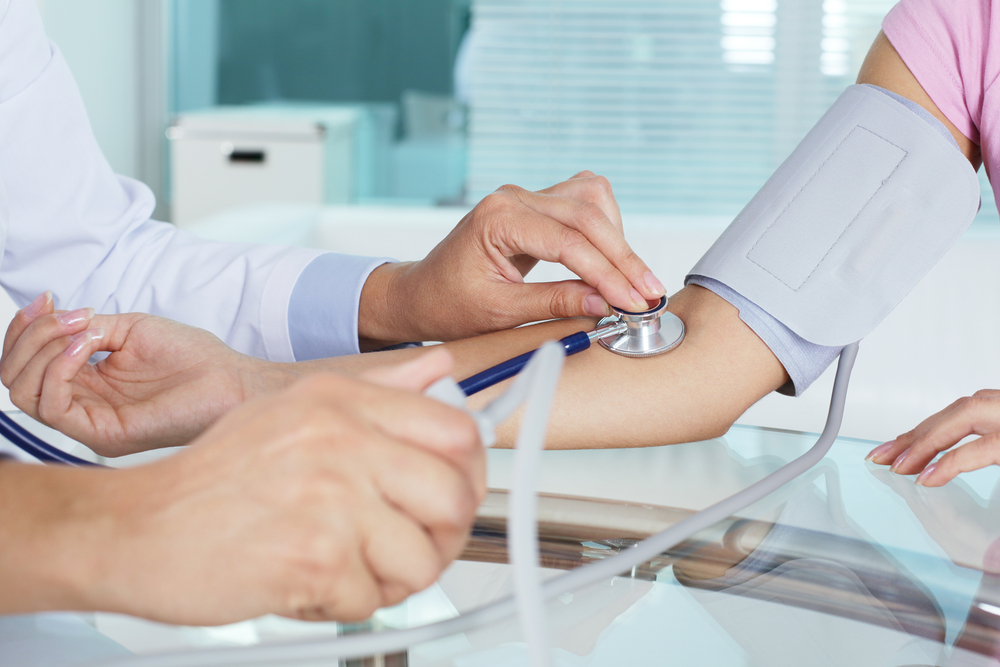
The medical process typically begins with a physical examination. Doctors assess overall physical health by checking vital signs such as blood pressure, pulse rate, and body temperature. Height and weight measurements are also recorded to evaluate general health and flag conditions like obesity or malnutrition, which could affect the ability to perform certain physical tasks. This is a foundational part of the medical check up for work permit to ensure that the worker is physically fit for employment duties.
Blood Tests for Infectious Diseases
One of the most important aspects of the examination is screening for infectious diseases. Blood samples are taken to test for HIV, syphilis, and other sexually transmitted infections (STIs). This helps prevent the introduction of communicable diseases into the workforce. In addition, the test may include a full blood count to detect underlying issues such as anemia or abnormal white blood cell levels that could indicate infections or immune conditions.
Chest X-Ray for Tuberculosis (TB)
A chest X-ray is typically required to screen for active tuberculosis (TB), a contagious disease that can be serious if left untreated. TB screening is crucial because it can spread quickly in group housing situations, which are common for foreign workers. The X-ray allows medical professionals to detect any abnormalities in the lungs early and take necessary preventive measures.
Urine Tests
A urine test is included to check for diabetes, kidney problems, or signs of drug use. The test may detect sugar, protein, or abnormal substances in the urine that suggest metabolic or kidney-related disorders. Some employers may also request additional drug screening, especially in sectors where safety is a concern, such as construction or transportation.
Pregnancy Test (for Female Workers)
Female workers, particularly those applying for domestic roles, may be required to take a pregnancy test. This is primarily to comply with employment regulations, as employers need to know the worker’s pregnancy status before hiring.
Vaccination Checks and Additional Tests
Depending on the job scope and country of origin, workers may also need to show proof of vaccinations or undergo additional tests. For example, some sectors may require a hepatitis B screening or verification of immunisation against diseases like measles or tetanus. These additional requirements are usually tailored to the nature of the work and the potential health risks involved.
Final Review and Clearance
Once all tests are completed, the clinic compiles the results and determines whether the worker meets the fitness criteria set by MOM. If the worker is deemed unfit, the employer will be notified, and alternative arrangements may need to be made. In some cases, treatment may be required before the worker can be reconsidered for employment.
Conclusion
Undergoing a medical check up for work permit is a vital step in ensuring the health and safety of both workers and the wider community. From screening for infectious diseases to evaluating physical fitness, each test plays an important role in maintaining a healthy workforce. Understanding these common tests allows both employers and employees to be better prepared and helps facilitate a smoother work permit process in Singapore.