
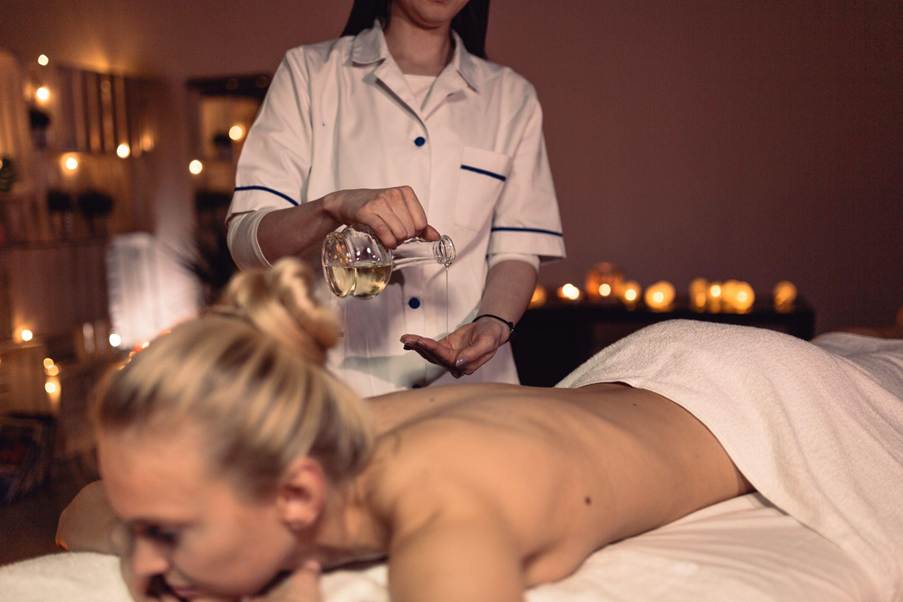
The term “back massage in Singapore” can mean very different things depending on where you go. A session at a luxury spa feels worlds apart from one in a Traditional Chinese Medicine (TCM) clinic, and both differ from what you would find in a modest neighbourhood parlour. Each setting comes with its own purpose, techniques, and culture. Knowing what really sets them apart is beneficial for anyone deciding where to go.
Luxury Spas: Designed for Escape
Luxury spas approach massage as part of a complete wellness journey. Their massage services rarely focus on the back alone; they are usually bundled into packages with aromatherapy, hydrotherapy, or even skincare add-ons. The setting is as much a part of the treatment as the massage itself—dim lighting, quiet rooms, and scents carefully chosen to calm the body.
Luxury spa therapists are often trained in multiple methods. Swedish strokes, deep tissue work, and pressure-point styles are combined to create a flowing session that can last well over an hour. Clients may also be offered consultations before and after, making the process more personal. The experience is immersive, but the higher price tags and the emphasis on indulgence mean it is less suited for those who simply want functional pain relief regularly.
TCM Clinics: Rooted in Therapy
Step into a TCM clinic, and the tone changes entirely. Back massage here is better known as tuina, and it comes with the weight of centuries-old practice. Rather than soft strokes, the approach is firm, targeted, and based on principles of qi and meridian flow. Many prefer this type of back massage not for relaxation but for medical reasons—chronic pain, circulation problems, or posture-related strain.
These sessions can be intense. Pressure is applied directly to acupoints, sometimes leaving the body sore for a day or two, but the aim is long-term correction rather than immediate comfort. It is also common for tuina to be paired with acupuncture, cupping, or herbal medication. TCM clinics remain a go-to choice for those dealing with recurring musculoskeletal conditions, sitting somewhere between healthcare and wellness.
Neighbourhood Parlours: Everyday Relief
Neighbourhood parlours offer another side to massage services in Singapore. These places, situated in housing estates and malls, highlight accessibility. Their services are straightforward: simple back massages that target stiffness from commuting, long working hours, or housework. The focus is on routine relief rather than luxury or therapy.
The techniques here vary depending on the therapist, but most rely on kneading, pressing, and stretching that can ease tension quickly. Sessions are flexible—some lasting just 20 minutes, others up to an hour—allowing customers to slot them into a lunch break or after-work errand. While the environment may not match the polish of spas or the clinical structure of TCM centres, their convenience and affordability make them a practical option for many Singaporeans.
Finding the Right Fit
These three settings show how one service—back massage—has different identities across the city-state. Luxury spas cater to those who see massage as an escape. TCM clinics address it as therapy, treating root causes and chronic issues. Neighbourhood parlours are a middle ground for people who need regular relief without extra expense.
Choosing between them depends on what you are looking for: relaxation, medical benefit, or everyday maintenance. Back massage in Singapore is not just a treatment—it is shaped by context, culture, and purpose. Recognising this helps individuals match their needs with the right kind of massage service, and make each session count.
Think of your back as your daily load-bearer: carrying laptops, tension, and time itself. Give it the break it deserves. Contact 21st Century Beauty Spa and let your next massage session be the one that truly resets you.